Measured entry
uilayouts-mesh-shadergradient
background-effectaurora-meshmotion on file
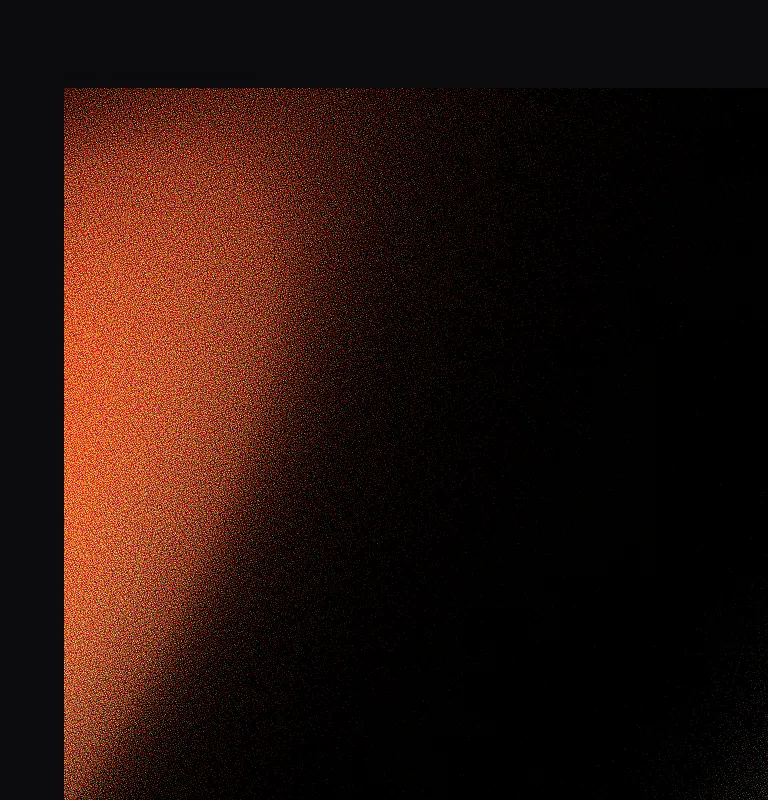
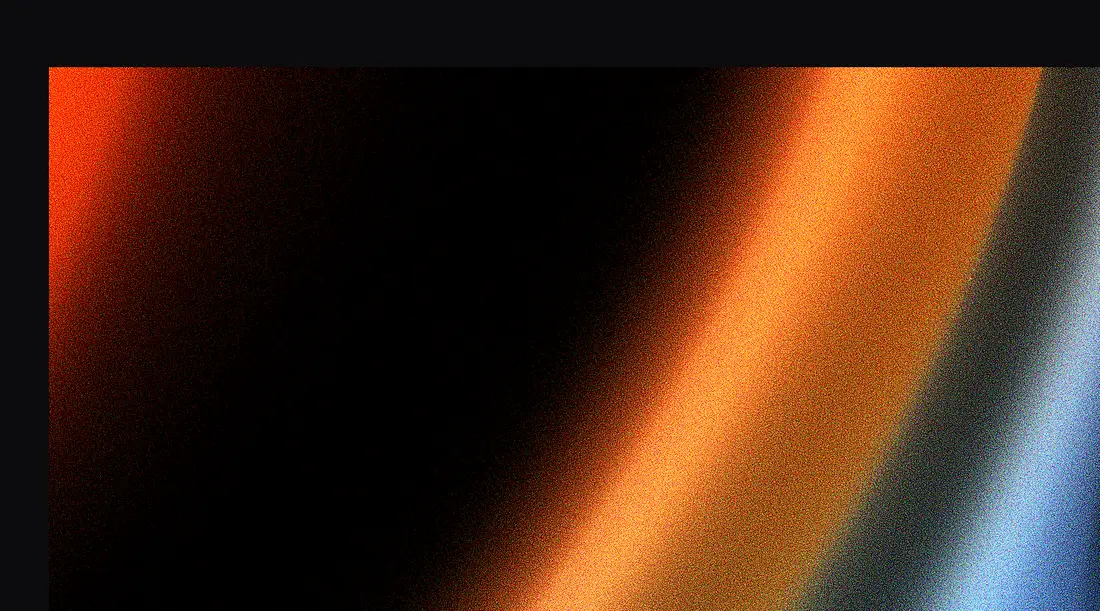
A client-side animated mesh background built from ShaderGradientCanvas and ShaderGradient. It ships as a shadcn registry component, fills the viewport through Tailwind classes, and depends on @shadergradient/react for the rendered sphere, camera, lighting, grain, and motion.

Measured
Every value below was written by the harness on the run that produced the frames above. None of it is derived from the prose.
| Build | OK |
|---|---|
| Mount | OK |
| Console errors | 0 |
| Uncaught page errors | 0 |
| Horizontal overflow | flagged at 375, 768, 1440 |
| Axe critical | 0 |
| Axe serious | 0 |
| Axe moderate | 0 |
| Axe minor | 0 |
| Gzip marginal | 297.4 KB (362.8 KB build, 65.4 KB baseline) |
| Bare mode | OK |
| Provider required | NO |
| Demo used | written from the component source API |
Verdict
It builds and mounts cleanly without a provider, and the shader delivers a distinctive dark, grainy color field. Still, its viewport-sized wrapper overflows every tested layout and the dependency is costly, so it fits selective hero use better than a default site background.
Use it if
- You need a cinematic animated backdrop for a hero or campaign page.
- Your app already accepts client-rendered WebGL effects and their runtime cost.
- You can place foreground content in a separate layer and tune the shader colors to the page.
Skip it if
- You need a contained background that must not overflow its section or viewport.
- Your bundle budget cannot absorb a large shader dependency.
- You need built-in reduced-motion behavior or a static fallback.
- Your audience commonly uses devices or browsers where WebGL effects are unreliable.
Install
| Declared dependencies | @shadergradient/react |
|---|---|
| Missing on install | none |
| Bare install | builds and mounts without the shadcn-style helpers |
| Provider | no provider required in the harness |
In a non-shadcn project, install @shadergradient/react, copy the client component, and provide Tailwind utilities or equivalent styles for its viewport wrapper. Add overflow containment, a reduced-motion or static fallback, and ensure the component renders only on the client where WebGL is available.
Source and credit
This page is a review, not a copy. The component source lives with its author and this site does not republish it. Read the license before you use anything.
Author repository
github.com/ui-layouts/uilayoutsAlternatives
Other published entries for the background-effect pattern, ordered by what they measured: mounts first, then clean axe scans, then bare-mode passes, then the smaller bundle.
- ruixen-loading-circlegradient-glow
- Renders
- YES
- A11y
- 0
- Gzip
- 17.7KB
- Bare
- pass
- Prov
- NO
- eldora-hacker-backgrounddark-futuristic
- Renders
- YES
- A11y
- 0
- Gzip
- 17.8KB
- Bare
- pass
- Prov
- NO
- ruixen-ripple-circlesgradient-glow
- Renders
- YES
- A11y
- 0
- Gzip
- 17.9KB
- Bare
- pass
- Prov
- NO
- ruixen-dual-tone-rain-backgroundunclassified
- Renders
- YES
- A11y
- 0
- Gzip
- 18.4KB
- Bare
- pass
- Prov
- NO
- cultui-lightboardliquid-glass
- Renders
- YES
- A11y
- 0
- Gzip
- 19.6KB
- Bare
- pass
- Prov
- NO
- ruixen-mouse-sparkunclassified
- Renders
- YES
- A11y
- 0
- Gzip
- 20.6KB
- Bare
- pass
- Prov
- NO